History of Brahmins In India
Tracing the intellectual and spiritual evolution of the Brahmin community through the ages.
"History is not merely a record of the past, but a lighthouse for the future. The Brahminical tradition is the preservation of that light through the oral and written word."
Early Vedic Period
Composition of the Rigveda, the oldest Indo-Aryan text. Emergence of Rishis like Vasistha, Bhrigu, and Vishvamitra. Development of Yajna (sacrificial rituals) and the early Brahmin priestly system. Formation of the Gotra (clan) identity.
Late Vedic & Upanishadic Age
Transition from ritual practices to deep philosophical inquiry. Composition of the Upanishads and rise of thinkers like Yajnavalkya. Development of core concepts such as Brahman (ultimate reality) and Atman (soul).
Classical Age
Flourishing of Sanskrit learning and political thought. Contributions of scholars like Panini (grammar) and Chanakya (Arthashastra). Establishment of global learning centers such as Takshashila and Nalanda. Brahmins served as advisors, scholars, and administrators.
Early Medieval Period
Expansion of temple culture and composition of Puranas and Dharmashastras. Revival of Vedantic philosophy by Adi Shankaracharya, who established major Mathas across India, strengthening spiritual and institutional traditions.
Medieval Period
Period of political transitions and invasions. Brahmin communities migrated across regions like Kashi, Kashmir, South India, and Odisha. Focus shifted to preserving scriptures, rituals, and Sanskrit traditions.
Late Medieval / Early Modern Era
Rise of Brahmin political influence, especially under the Maratha Empire. Leaders like the Peshwas played key roles as administrators, strategists, and rulers, shaping large parts of Indian politics.
Colonial & Reform Period
Introduction of modern education and social reform movements. Brahmin leaders contributed significantly to intellectual awakening, social reforms, and India’s freedom struggle.
Modern Era
Transition into modern professions including education, science, administration, and technology. Growth of global diaspora and digital preservation of Vedic knowledge and genealogical records.
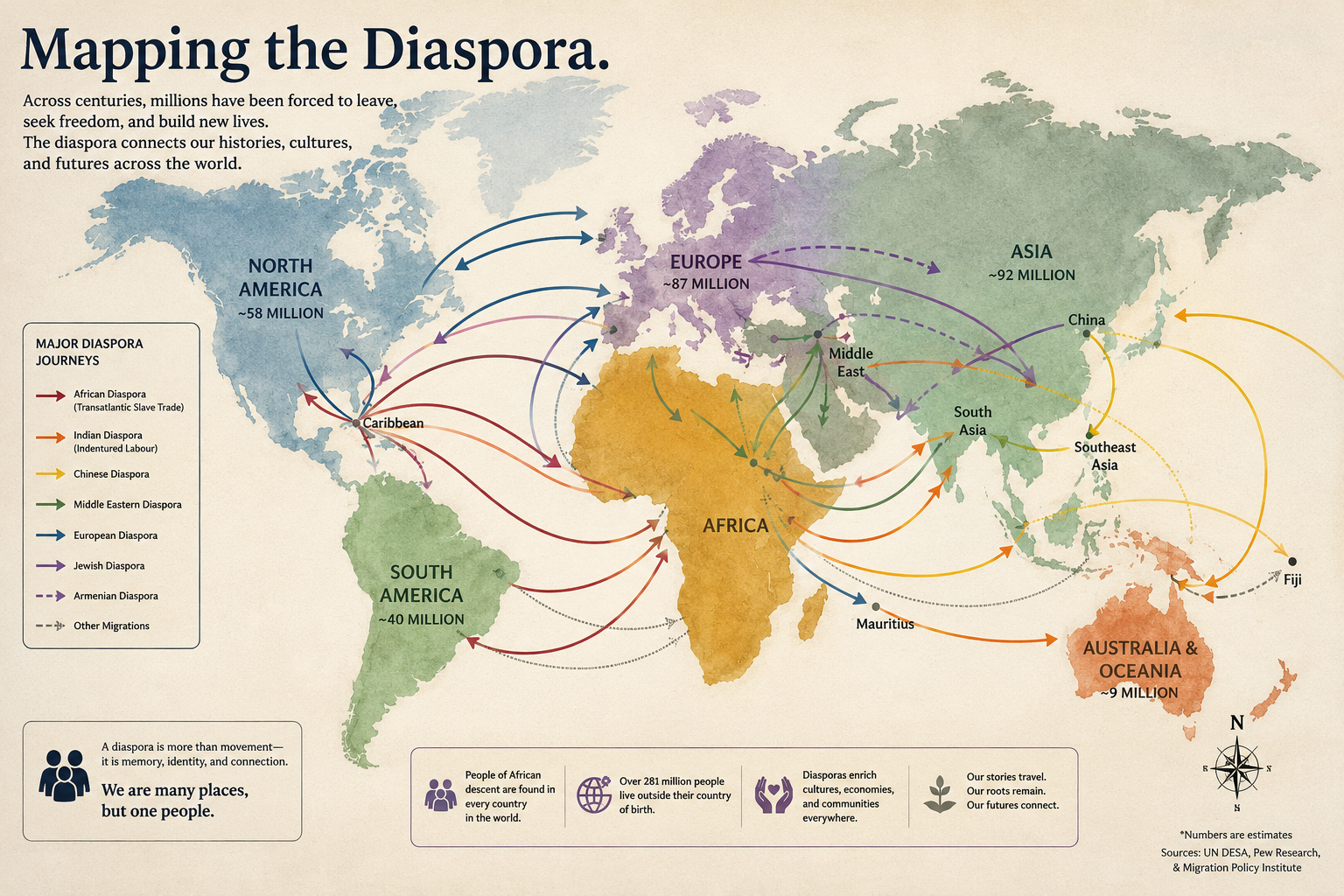
Mapping the Diaspora
The movement of Brahmin communities across the Indian subcontinent occurred gradually over many centuries, shaped by political change, royal patronage, and the expansion of agrarian and temple-based societies. Early Vedic groups were associated with the northwestern regions (often linked to the Saraswati–Drishadvati area), but by the later Vedic and early historic periods, Brahmins had spread into the Gangetic plains and beyond.
Between the early medieval and late medieval periods, rulers across regions such as the Deccan, South India, Odisha, and Eastern India invited Brahmins to serve as priests, scholars, and administrators. Land grants (known as Brahmadeya and Agrahara settlements) led to the establishment of enduring scholarly and temple-centered communities. These migrations contributed to the formation of regional Brahmin groups, each preserving Vedic traditions while adapting to local languages and cultures.
This archive seeks to trace these historically documented movements—linking lineages, regions, and temple institutions—so that individuals can better understand the geographical and cultural journeys of their ancestors.
EXPLORE PROVINCES »